
Back-to-School Nutrition: Healthy Lunches, Picky Eaters & Less Mealtime Stress
Written by: Nicole Adams, MS, RDN, CD | Registered Dietitian at Experience Momentum
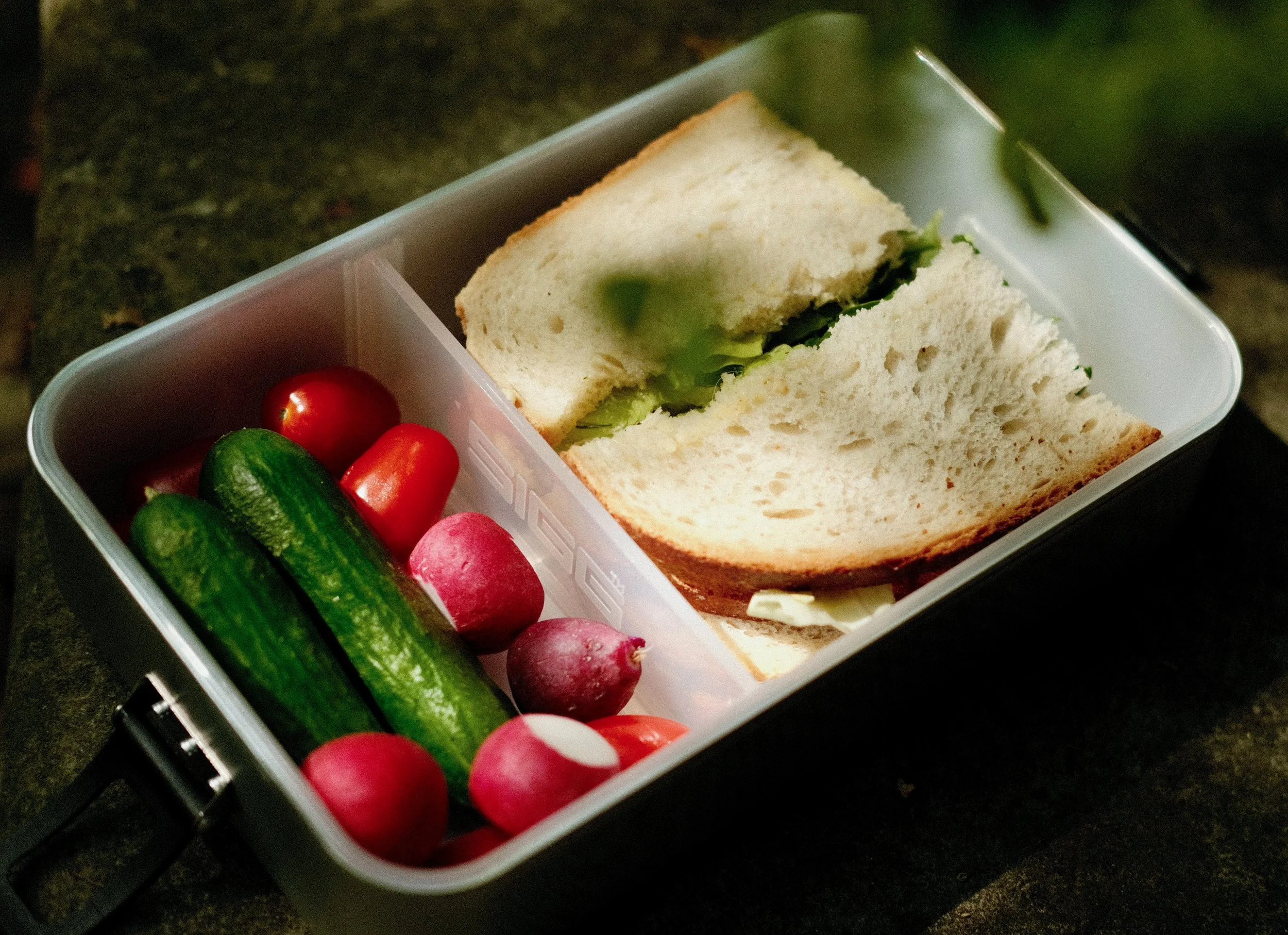
As summer winds down and backpacks come out of storage, one question starts popping up in homes everywhere: What should I pack for school lunch?
Back-to-school season is busy enough without turning lunch into another source of stress. Whether you're navigating hectic mornings or a child who seems to survive on three favorite foods, remember this: healthy lunches don't have to be perfect, and picky eating doesn't have to become a daily battle.
As a registered dietitian, my biggest piece of advice is simple: aim for consistency, not perfection. A nutritious lunch doesn't need to be Pinterest-worthy—it just needs to give your child the energy to learn, play, and grow.
Healthy School Lunches Made Easy
Think of lunch as a simple mix of four building blocks:
Protein: turkey, chicken, eggs, tuna, hummus, beans, tofu, yogurt, cottage cheese, or cheese
Carbohydrates: bread, pasta, rice, tortillas, crackers, or pita
Fruits & vegetables: fresh, frozen, dried, or canned all count
Fats: avocado, olives, nuts or seeds (if allowed), or seed butter
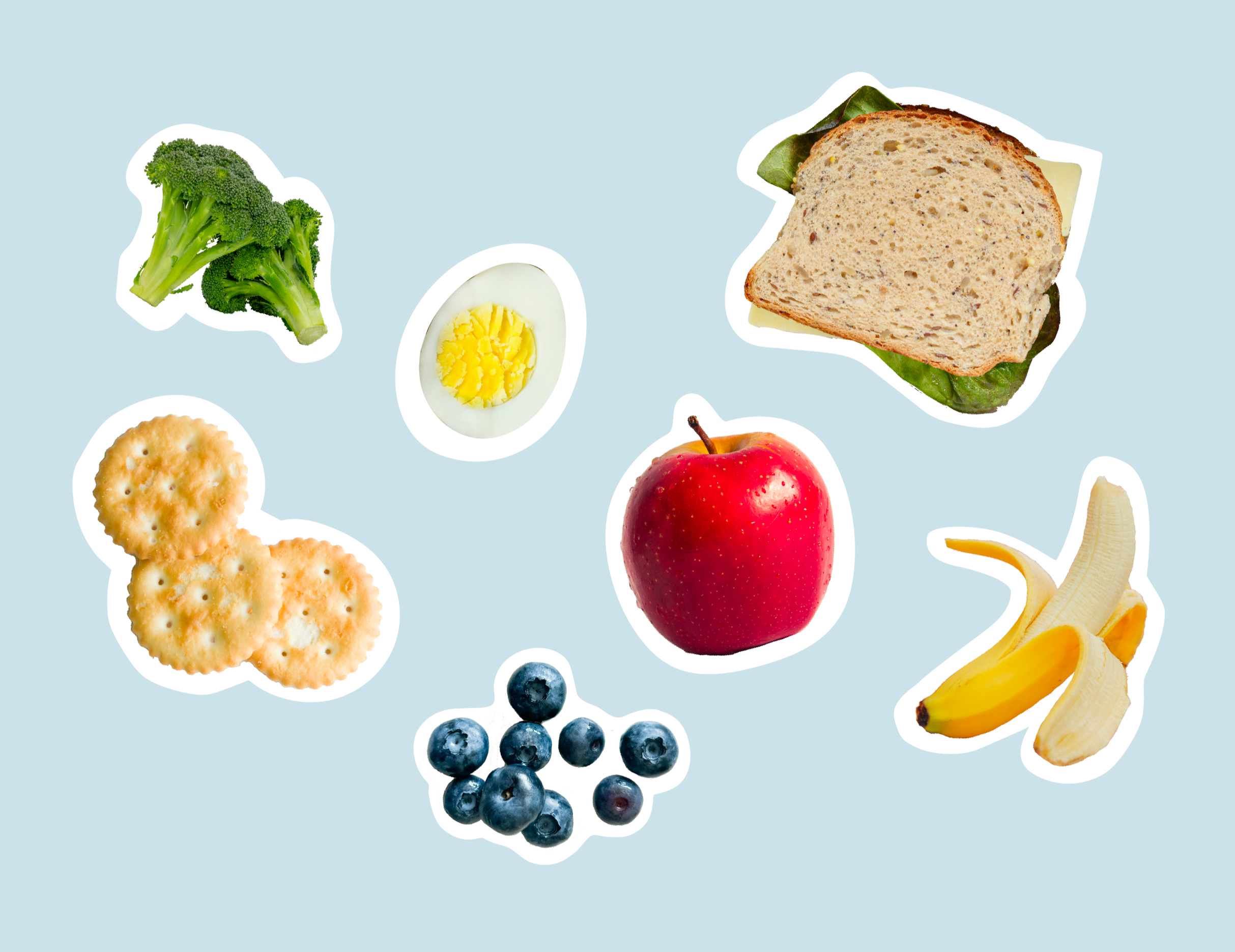
And don't underestimate the power of familiar foods. If your child happily eats the same turkey sandwich three days a week, that's completely okay. Familiarity often helps kids eat enough during school days.
The goal isn't endless variety—it's packing foods your child is actually likely to eat.
Picky Eating Is Normal
Picky eating is incredibly common and, for many children, a completely normal part of development. While it can be frustrating, pressure, bribing, or "just one more bite" usually creates more stress than success.
Instead, keep offering new foods alongside familiar favorites without expecting your child to eat everything on their plate.
Research shows that kids often need many exposures to a new food before they're ready to try it. Seeing it, smelling it, touching it, or simply having it on the table are all important steps.
Progress doesn't always look like taking a bite—and that's okay.
The Division of Responsibility
One of the most effective ways to reduce mealtime stress is Ellyn Satter's Division of Responsibility, an evidence-based feeding approach used by pediatric dietitians worldwide.
Here's how it works:
Parents decide:
What foods are offered
When meals and snacks are served
Where eating happens
Children decide:
Whether they eat
How much they eat from what's offered
This approach gives children the opportunity to learn to trust their own hunger and fullness cues while allowing parents to provide structure—without becoming the "food police."
When kids are pressured to clean their plate or eat certain foods before others, they can become less connected to their natural appetite. Trusting the process can feel uncomfortable at first, but it supports a healthier relationship with food over the long term.
Food Doesn't Need Labels
One of the best gifts we can give our kids is teaching them that food isn't "good" or "bad."
Instead of assigning moral value to food, talk about what different foods do for our bodies.
Some foods keep us full longer.
Some give us quick energy for sports or recess.
Some help us grow and develop.
Some are simply fun foods that are part of celebrations and everyday life.
When we take guilt and shame off the table, children are more likely to build balanced eating habits that last a lifetime.

Working with Teachers
Teachers have a big influence on children's experiences with food during school days. If your family follows the Division of Responsibility or your child struggles with picky eating, it can be helpful to share your approach with your child's teacher.
A quick conversation explaining that your family avoids labeling foods as "good" or "bad," and encourages your child to decide whether and how much to eat from the lunch you've packed can help create consistency between home and school.
Comments like "Eat your vegetables before dessert," "Just take one more bite," or "That's not a healthy lunch" are usually well-intentioned, but they can unintentionally interfere with a child's ability to trust their own body or create guilt around eating.
Most teachers appreciate knowing how they can best support a child's relationship with food.
The Bottom Line
Back-to-school nutrition doesn't have to be complicated. Pack balanced meals, offer a variety of foods without pressure, and trust your child's appetite.
Healthy eating isn't about creating the perfect lunchbox or getting your child to eat every vegetable. It's about building confidence around food, reducing stress at mealtimes, and supporting healthy habits that last well beyond the school years.
Questions About Feeding Your Family?
Every child—and every family—is different. If you're feeling overwhelmed by picky eating, school lunches, or simply wondering if your child is getting what they need, you don't have to figure it out alone.
Our registered dietitians are here to help with practical lunch ideas, picky eating support, and evidence-based guidance to help your family build a positive relationship with food.
Book a free 15-minute consultation with one of our registered dietitians at Experience Momentum. We offer appointments both in person and via telehealth, making it easy to get personalized support wherever you are.