What Does It Actually Take to Age Well? 8 Things I’m Paying Attention to at 50
Written by Shanon Tysland | Founder, CEO at Experience Momentum
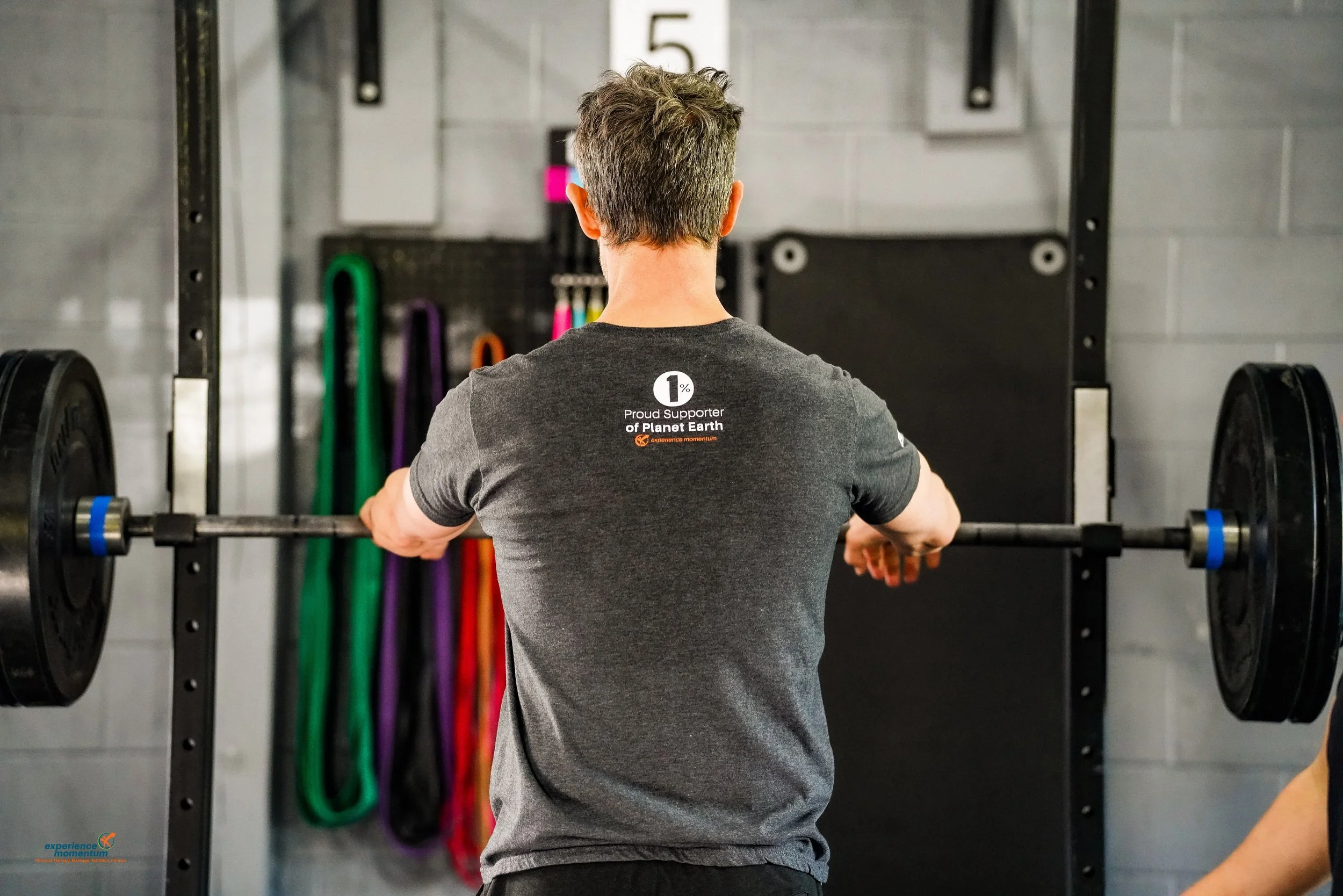
I’ve been in my 50s for a little over a year now, and I’ll admit: heading into this decade, I was a little nervous about how my body would respond.
Would I recover more slowly? Would the things I love—running, skiing, mountain biking, lifting, pushing myself physically—start becoming harder?
Would I begin noticing limitations I hadn’t thought much about before?
What I’ve found so far is a little different.
Yes, I pay more attention to recovery. I listen to my body differently. I think more about sleep, strength, mobility, and how I train. But I also feel incredibly grateful for what my body can still do.
I still love working hard. I love the burn in my muscles, the feeling of my lungs working on a run, getting out on my mountain bike, skiing, lifting weights, and seeing what my body is capable of.
What has changed most isn’t necessarily my body.
It’s the question I’m asking.
I’m less interested than I used to be in what I can accomplish this year. I’m increasingly interested in what I’ll still be able to do 10, 20, or 30 years from now.
Will I still be able to ski?
Ride a mountain bike?
Get down on the floor and back up without thinking twice?
Carry my luggage through an airport?
Hike with my family?
Play with future grandchildren?
Keep exploring the world?
Those questions have changed the way I think about health.
There is a lot of conversation right now about longevity—how we can live longer. I’m fascinated by that research, but lifespan by itself isn’t what interests me most. I care more about healthspan: how many of those years we can live with the strength, energy, mobility, cardiovascular fitness, mental clarity, and independence to participate fully in our lives.
The goal isn’t simply to add years.
The goal is to build and preserve the capacity to live those years well.
As a physical therapist, strength coach, lifelong athlete, and now a 50-year-old thinking much more seriously about my own next several decades, these are eight things I believe deserve our attention.
1. Build Strength Before You Think You Need It
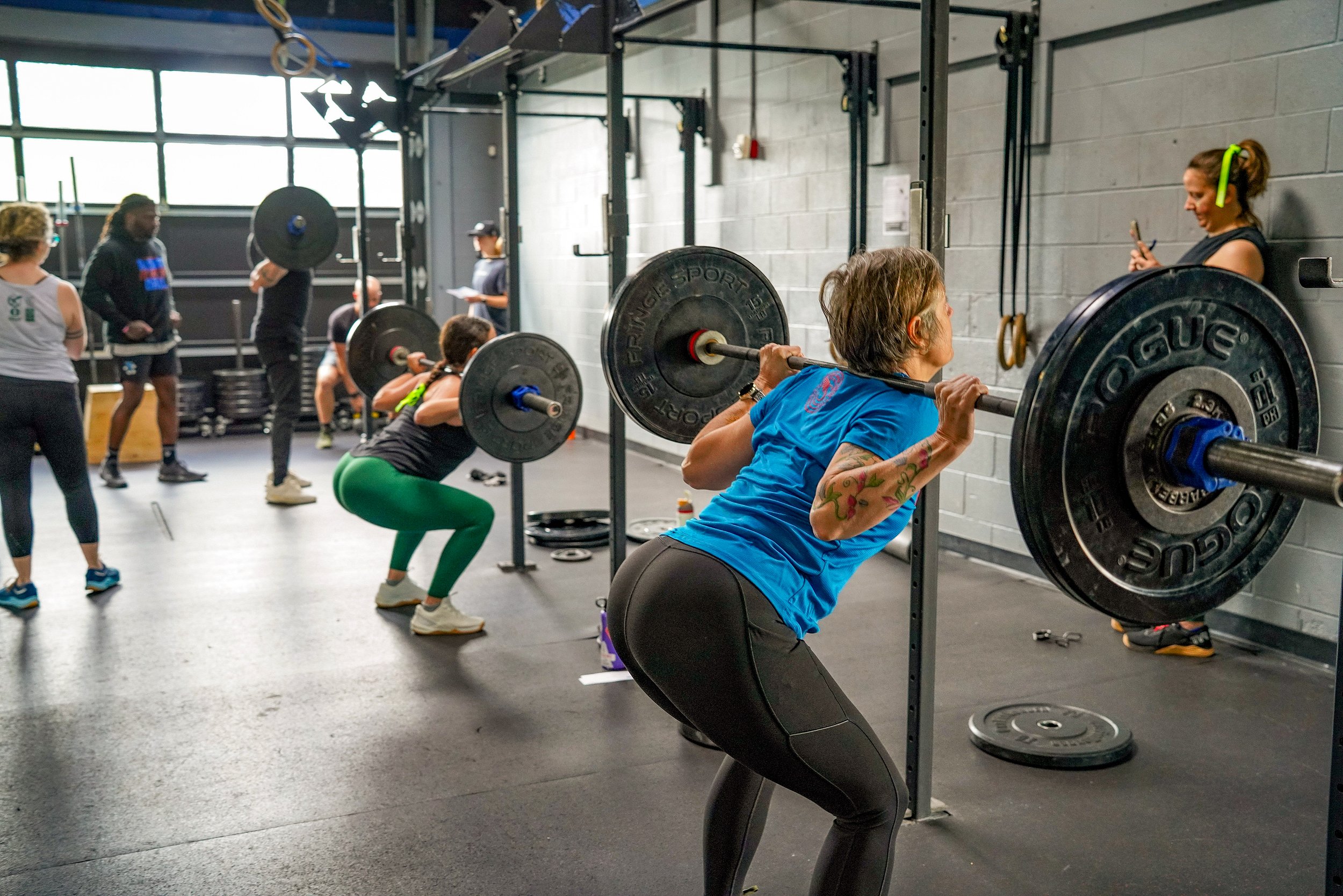
Athletes squatting at Sweat for the Environment 2025.
Image Credit: Erin Melton
When people hear “strength training,” they sometimes picture barbells, heavy weights, or athletes in a gym, but strength is much more fundamental and functional than that.
Strength is carrying groceries.
Getting a suitcase into an overhead bin.
Picking something heavy up off the ground.
Standing up from a chair.
Getting off the floor.
Catching yourself when you stumble.
Strength gives us options.
And one of the biggest shifts I hope we can make in the healthspan conversation is understanding that strength isn't something we suddenly need when we're 70.
What we build and preserve in our 30s, 40s, and 50s becomes part of our reserve later.
That doesn't mean everyone needs to become a powerlifter. It means regularly giving your muscles enough challenge that your body has a reason to adapt. Start where you are, then continue asking your body to do a little more.
2. Train Your Cardiovascular Engine
Strength matters enormously, but so does the engine powering everything we do.
Your cardiovascular system allows you to walk up a hill, chase your kids, climb stairs, hike, run, ski, ride a bike, and move through the world without constantly feeling limited by your conditioning.
One measurement receiving increasing attention in the healthspan world is VO₂ max, which gives us information about the body's ability to take in, transport, and use oxygen during exercise.
You don't need to know your VO₂ max to become healthier.
You do need to regularly ask your cardiovascular system to work.
Walk. Hike. Run. Ride. Row. Swim. Take a fitness class.
Do something you enjoy enough that you'll continue doing it. Some days should be easy. Other days should challenge you. The specific activity matters less than consistently training your body's capacity to do work.
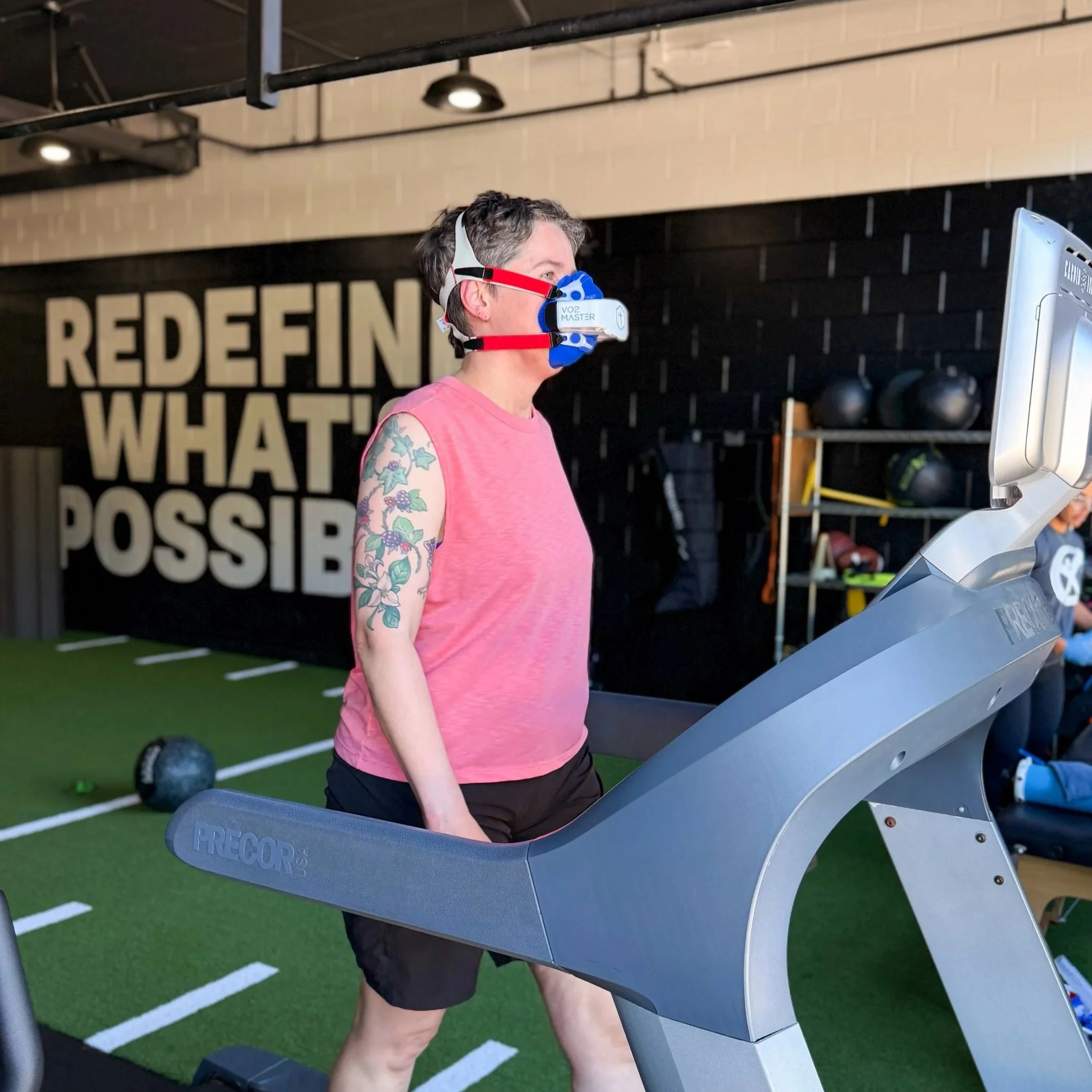
VO2 Max testing now available at our Fremont and Lynnwood locations.
3. Don't Forget the Basic Human Movements
A recent New York Times article asked physical therapists which exercises they wished people would do regularly to age well.
Many weren't complicated: standing on one leg, hip hinges, sit-to-stands, push-ups and other foundational movements. I love that. Because aging well probably isn't going to depend on mastering the most trendy exercises online. It is much more likely to depend on whether we preserve the ability to perform basic human movements.
Can you balance on one leg?
Can you squat?
Can you hinge?
Can you push?
Can you pull?
Can you carry something?
Can you get down onto the ground and back up?
These simple movements tell us a lot about our strength, mobility, coordination and physical independence. We often don't appreciate these abilities until we begin losing them. I'd rather pay attention sooner.
4. Remember That Training and Recovery Are Partners
One lesson I have had to learn repeatedly throughout my life is that more isn't always better.
Training creates the stimulus. Recovery allows adaptation.
I've been having conversations about this recently on the Redefine What's Possible podcast, including with renowned strength and conditioning coach, Cal Dietz.
Great training isn't simply about pushing harder. It's about providing the appropriate challenge, recovering from it, adapting, and then being ready for the next challenge. That lesson becomes increasingly important as we age.
There are times to push. There are times to back off. There are times to change the plan. I've come to believe:
A plan is useful, but the body is wiser than what’s on paper.
Pay attention.
Soreness, energy, motivation, pain, sleep and performance all provide information. Fitness requires effort. Health requires listening, too.
5. Nourish the Life You're Trying to Live
Nutrition might be the area where we most desperately want someone to give us the perfect answer. Don't eat this. Always eat that. Follow this diet. Take this supplement. Avoid this food.
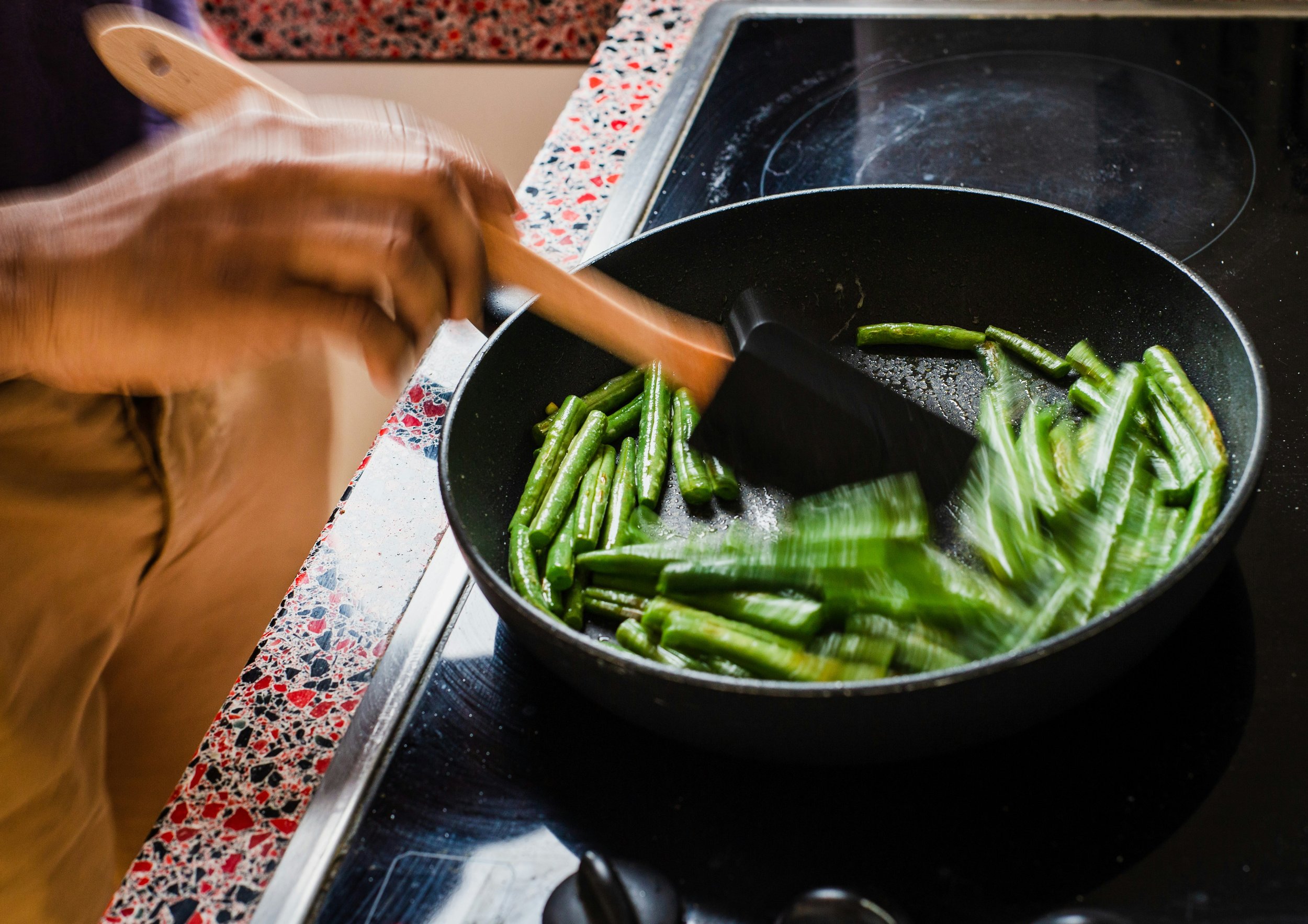
My thinking has become simpler over time. Eat enough to support what you're asking your body to do and prioritize foods that provide nutrients.
Eat plants.
Get adequate protein.
Drink water.
Share meals with people you care about.
Enjoy food and recognize that your nutritional needs are individual.
A competitive athlete, someone managing a medical condition, a person trying to build strength, and someone recovering from years of restrictive dieting may need very different approaches.
The older I get, the less interested I am in nutritional perfection. I'm much more interested in this question:
Does the way I eat give me the energy and health to live the life I want to live?
6. Treat Sleep as Part of Training
For years, sleep could almost be treated as optional in performance culture.
Work harder. Train harder. Sleep when you're dead.
Fortunately, that mindset is changing. Sleep isn't time away from progress.
It is part of progress.
I recently had a fantastic conversation on the Redefine What’s Possible podcast with my wife and co-founder, Kelly Stevens-Tysland about the wearable WHOOP device, recovery, sleep, strain and what wearable data can teach us about ourselves.
I find the data incredibly useful. But there's an important distinction.
Data should inform us, not control us.
A wearable can help you recognize patterns. Maybe alcohol affects your sleep more than you realized. Maybe a late meal changes your recovery. Maybe you're consistently getting less sleep than you thought.
Use that information to create awareness, then listen to your body, too.
The goal isn't to earn a perfect recovery score. The goal is to wake up with enough physical and mental energy to participate in your life.
7. Train Your Ability to Unplug
Healthspan cannot only be about muscles, cardiovascular fitness, blood markers and physical performance.
We also have to talk about our minds.
Stress.
Attention.
Habits.
Relationships.
Presence.
I spoke with Dr. Judson Brewer, a psychiatrist and neuroscientist who has spent years researching habits, anxiety and behavior change. We had an incredibly enlightening conversation on negative behavior patterns and how mindfulness can transform behavior (you can listen to the episode here). One question from our conversation has stayed with me:
What am I actually getting from this habit or pattern?
That question can apply to almost anything.
Scrolling our phones.
Drinking.
Overworking.
Avoiding a difficult conversation.
Even exercising compulsively.
Awareness creates a tiny bit of space between what happens and what we do next.
I've practiced meditation for decades, and I'm still learning this: The goal isn't to become perfectly calm. The goal is to become more aware.
Meditation isn’t about clearing your mind of thoughts. It’s about changing our relationship to our thoughts.
Because I could have an incredible VO₂ max, impressive strength and perfect biomarkers—and still miss my life because I wasn't actually present for it.
That doesn't sound like healthspan to me.
8. Know What You're Training For
This might be the most important one.
Why do you want to be healthy?
That sounds obvious until you actually sit with the question. For me, fitness isn't ultimately about fitness.
I want to ski.
Mountain bike.
Travel.
Explore outside.
I want to work on things that matter to me, be with my family, and remain independent. I want to keep experiencing the feeling of my lungs working and muscles burning and be capable of saying yes when life presents an opportunity.
Your answer will probably be different.
Maybe you want to garden when you're 80.
Travel with your partner.
Keep coaching.
Play golf.
Hike with friends.
Pick up your grandchildren.
Volunteer.
Live independently.
Or simply wake up and feel capable in your own body.
Whatever your answer is, start there, then work backward.
What capacities will that future version of you need?
Strength?
Balance?
Mobility?
Cardiovascular fitness?
Energy?
And what could you start building today?
Healthspan Isn't About Fear. It's About Possibility.
I don’t want the conversation about aging to become another reason for people to feel anxious about their bodies. Quite the opposite. I think healthspan gives us an opportunity to become curious about what might still be possible.
I was reminded of that on a recent summer vacation with my family. Over the course of the trip, I surfed and boogie boarded, went for jogs with my kids, played kickball and soccer, rode my mountain bike, and generally said yes whenever someone wanted to go do something.
But one of my favorite moments was much simpler.
We played wiffle ball.
My 73-year-old dad was out there. My 5-year-old son was out there. My other three kids were there, along with six nieces and nephews.
Three generations, running around, laughing, competing, arguing over whether someone was safe, and probably bending a few rules along the way.
It was awesome.
And at some point I realized: this is what I’m training for.
Not a number on a watch.
Not a personal record.
Not even a particular test score.
I want to be the 73-year-old who still gets invited into the game.
I want to be able to run after the ball, swing the bat, laugh with my kids and hopefully someday my grandkids, and then wake up the next morning feeling good enough to do something else. Maybe a little sore. I’m 51, I’m realistic.
But still in the game.
That’s the kind of longevity that inspires me.
At Experience Momentum, we’re becoming increasingly interested in the physical capacities that allow people to keep doing what matters to them—not because everyone needs another number or score, but because awareness gives us information, and information can help guide action.
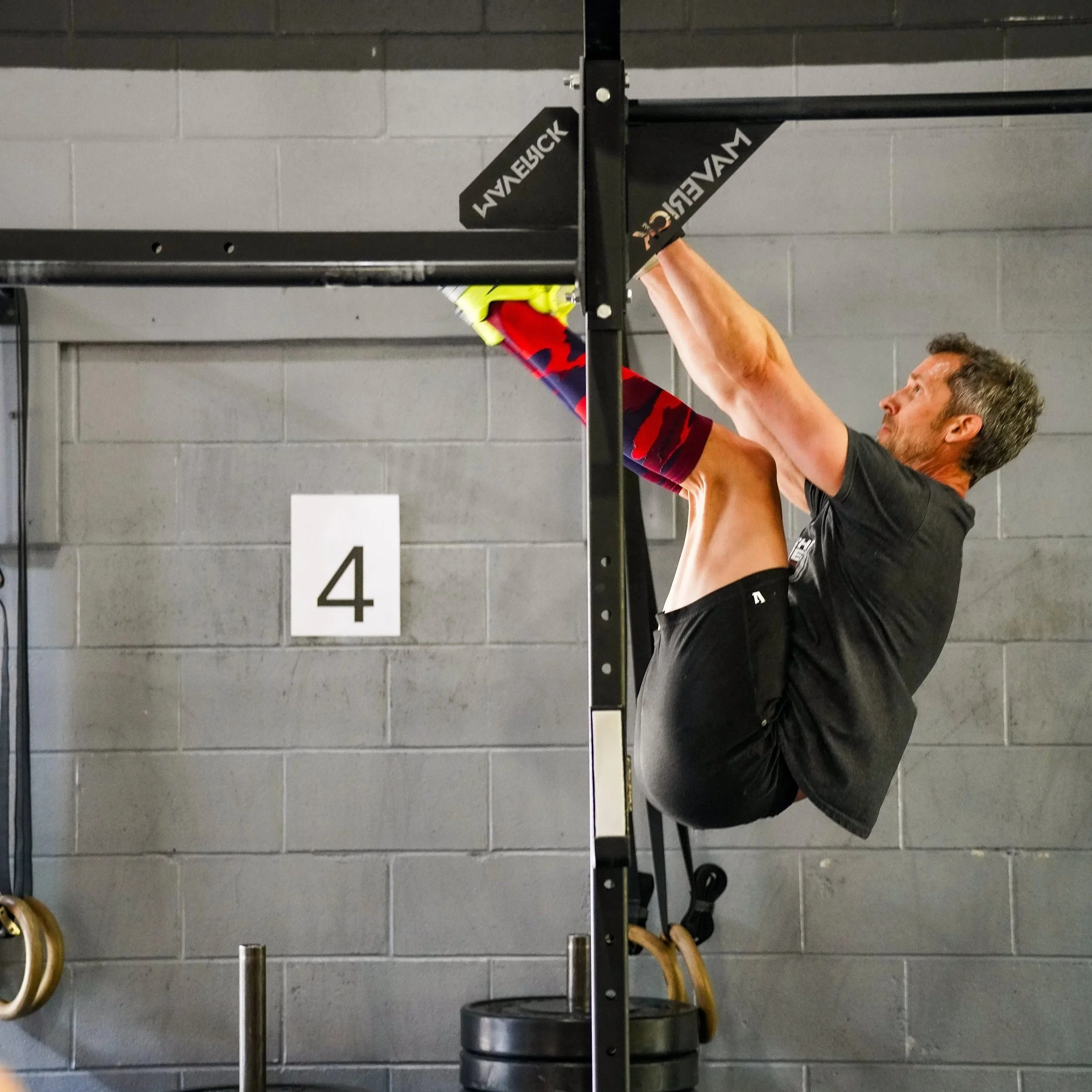
How strong am I?
How well do I move?
How is my balance?
How efficiently does my cardiovascular system work?
How well am I recovering?
And perhaps most importantly:
What am I doing today that my future self might thank me for?
These aren’t questions reserved for someone in their 70s.
They’re worth asking at 30.
At 40.
At 51.
And hopefully, if I’m lucky, at 73 while I’m still arguing with a grandkid about whether that wiffle ball was fair or foul.
Because the goal isn’t simply to live longer.
It’s to keep having enough capacity to say yes when the game starts.