
Nutrition on the Trail: Fueling Strategies for Hiking
Written by: Riley Hughes, PhD, RD, CF-L1 | Dietitian and Fitness Coach at Experience Momentum
As an avid hiker myself, I know I need to be intentional about fueling my body if I want to climb a literal mountain. And I think my dad will attest that when we did the through hike of the Enchantments together, I did get on his case just a little bit about fueling leading up to and during the trip (and what do ya know, he crushed it!).
Whether you're heading out for a short day hike or tackling a challenging multi-day trek, what you eat and drink can make the difference between feeling energized and hitting the wall halfway through your adventure. So here are some tips and strategies to keep your body performing at its best from trailhead to summit.
Pre-Hike Nutrition
Fueling starts before you even lace up your boots. Eating a balanced meal 2–3 hours before your hike provides your body with the energy it needs to get started. Aim for a meal rich in complex carbohydrates and moderate in protein and fat to support steady energy release.
Pre-hike meal ideas include:
Oatmeal made with dairy/soy milk, topped with berries and nuts
Greek yogurt with granola and fruit
Eggs with avocado toast
If you're hiking early and don't have time for a full meal, a light snack such as a banana, energy bar, or handful of trail mix can help prevent starting on an empty stomach but make sure you pay attention to regular fueling during your hike to continue to fill up your tank.
Fueling On The Trail
During exercise, your muscles rely primarily on carbohydrates for energy. On hikes lasting more than 90 minutes, it's important to replace those energy stores regularly, rather than waiting until they (and you) are exhausted.
A good rule of thumb is to eat a carbohydrate-containing snack every hour during moderate to strenuous hiking. Eating small amounts every 45–60 minutes helps maintain steady energy levels.
Trail-friendly snack options include:
Trail mix
Granola bars or fig bars
Fresh fruit that won’t get squished in your bag (e.g. apples, applesauce pouch)
Nut butter packets
Beef or turkey jerky
Whole-grain crackers
PB&J sandwiches
Dried fruit or fruit leather
Gummy candy (sour patch kids and nerds clusters are my go-to's)
For longer hikes, combining carbohydrates with protein and/or fats can help reduce muscle breakdown and keep you feeling satisfied.
Hiking Hydration
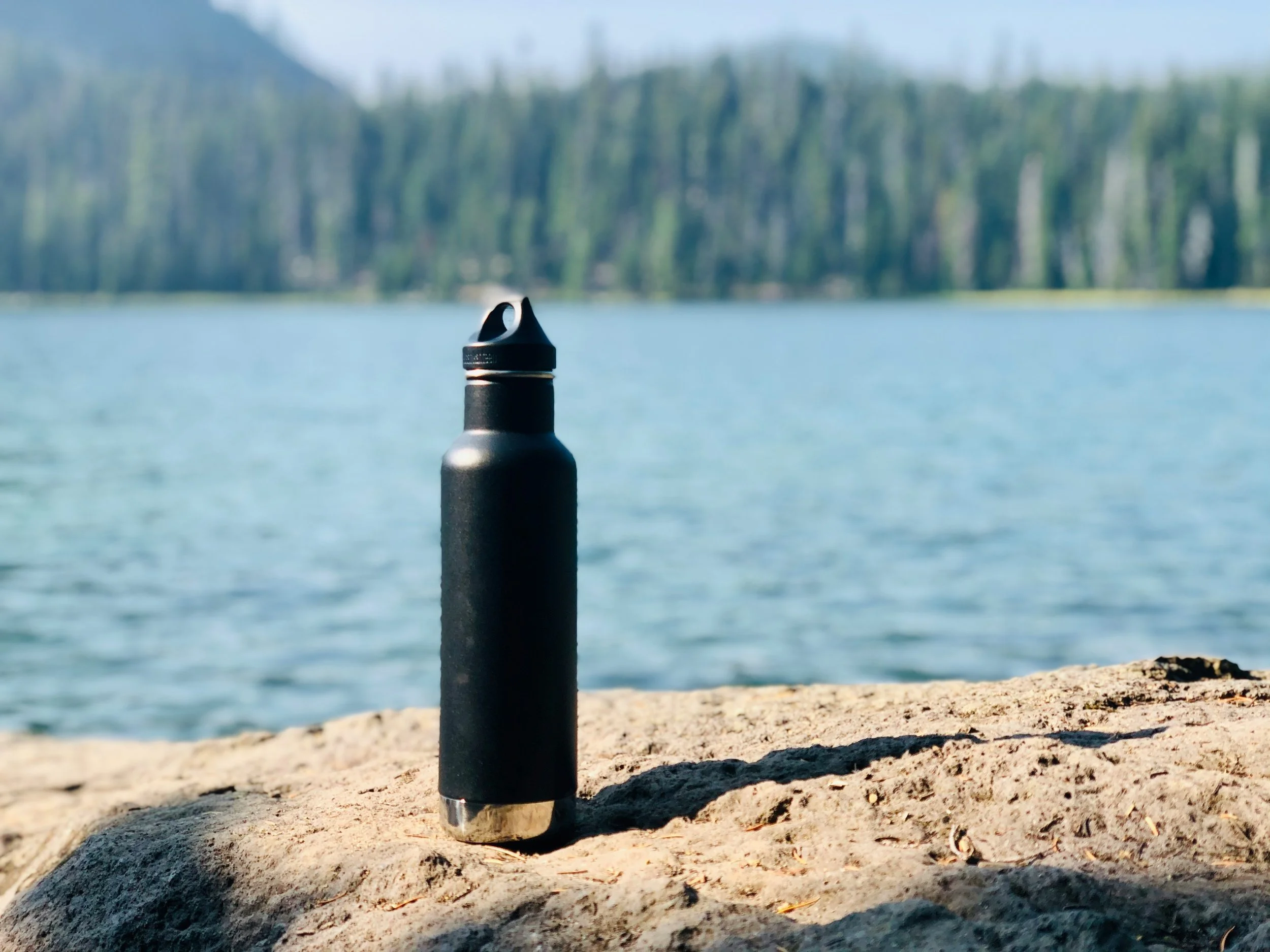
Even mild dehydration can lead to fatigue, headaches, and dizziness. Because hikers lose water through sweat and breathing, staying hydrated requires consistent attention throughout the day, particularly in the warmer temperatures of summer.
Similar to fueling, instead of waiting until you're thirsty, sip water regularly. Most hikers need approximately 16–32 ounces (500–1,000 mL) of fluid per hour, depending on:
Temperature
Humidity
Elevation
Hiking intensity
Individual sweat rate
On hot days or during strenuous climbs, your fluid needs may increase significantly.
Carrying enough water is essential. Depending on your route, this may mean bringing multiple water bottles or a water filtration system if natural water sources are available.
Sweat doesn't just remove water, it also depletes important electrolytes like sodium, potassium, and magnesium. During hikes lasting several hours, especially in warm weather, replacing these minerals helps support muscle function and fluid balance.
Electrolytes can be replenished through:
Electrolyte tablets
Sports drinks
Electrolyte powders
Salty snacks like pretzels or crackers
For shorter hikes under two hours in mild conditions, water alone is usually sufficient but listen to your body.
Post-Hike Recovery
Recovery nutrition is just as important as fueling during the hike. Eating within 30–60 minutes after finishing helps replenish glycogen stores, repair muscles, and reduce soreness. This is especially important if you're doing a multi-day hiking excursion with back-to-back days of trekking. A recovery meal should include plenty of protein, complex carbohydrates, and fluids.
Great post-hike options include:
Sandwich/wrap with meat (or vegetarian protein substitute) and veggies
Smoothie made with fruit, yogurt, and protein
Burger (if you’re on Highway 2, I recommend Zeke’s Drive In)
Burrito or burrito bowl
Teriyaki chicken with rice
Continue drinking water after your hike until your urine returns to a pale yellow color, which is one indicator of adequate hydration.
Backpacking
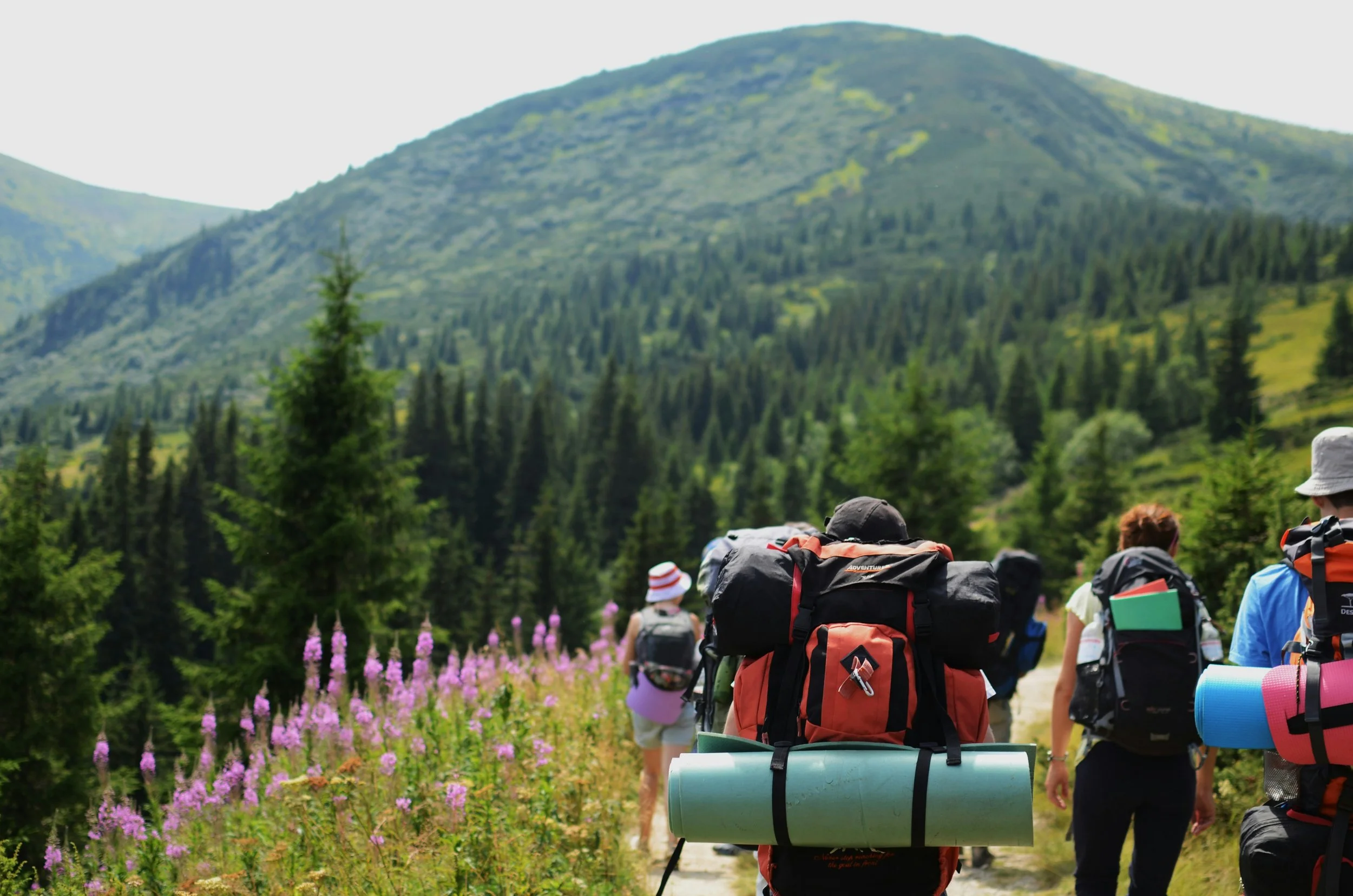
When backpacking, the fueling principles stay the same. However, the options are much more limited, particularly when trying to minimize pack weight and volume.
Good carbohydrate options to keep you fueled throughout your trip are instant rice, couscous, pasta, instant mashed potatoes, granola, bagels, tortillas, dried fruit, crackers, and pretzels. Protein often seems to be the trickiest since there's no refrigeration in the great outdoors, but great options to help your muscles recover include tuna/salmon/chicken packets, jerky or meat sticks, hard cheeses (like parmesan), nuts and nut butters, and roasted edamame/chickpeas.
Dehydrated meals (either store-bought or homemade) expand these options drastically, allowing you to preserve your favorite homemade chili for that perfect end of the day meal. You'll rarely catch me on a backpacking trip without my mac and cheese.
Practical Tips
Preparation goes a long way toward an enjoyable hiking experience. Before heading out:
Pack more food than you think you'll need.
Eat small amounts consistently.
Carry extra water whenever possible.
Practice fueling strategies on shorter hikes before attempting longer adventures.
Adjust your nutrition and hydration based on weather, trail difficulty, and hike duration.
Every hiker is different, so pay attention to how your body responds and refine your strategy over time.
In summary, proper fueling and hydration are essential for maintaining energy and staying safe on the trail. Starting with a nutritious meal, eating regularly throughout your hike, staying hydrated, and replenishing nutrients afterward will help you enjoy the journey while reducing fatigue and improving recovery. The best hiking adventures aren't just about reaching the destination, they're about having the energy to appreciate every step along the way.
Hungry for 1:1 Nutrition Counseling?
Schedule your free 15-minute discovery chat with one of our knowledgeable dietitians. Request an appointment online here.