
Interested in Longevity? Start With VO₂ Max
Why I measure mine—and why VO₂ max isn't just for elite athletes.
Written by Shanon Tysland | Founder, CEO at Experience Momentum
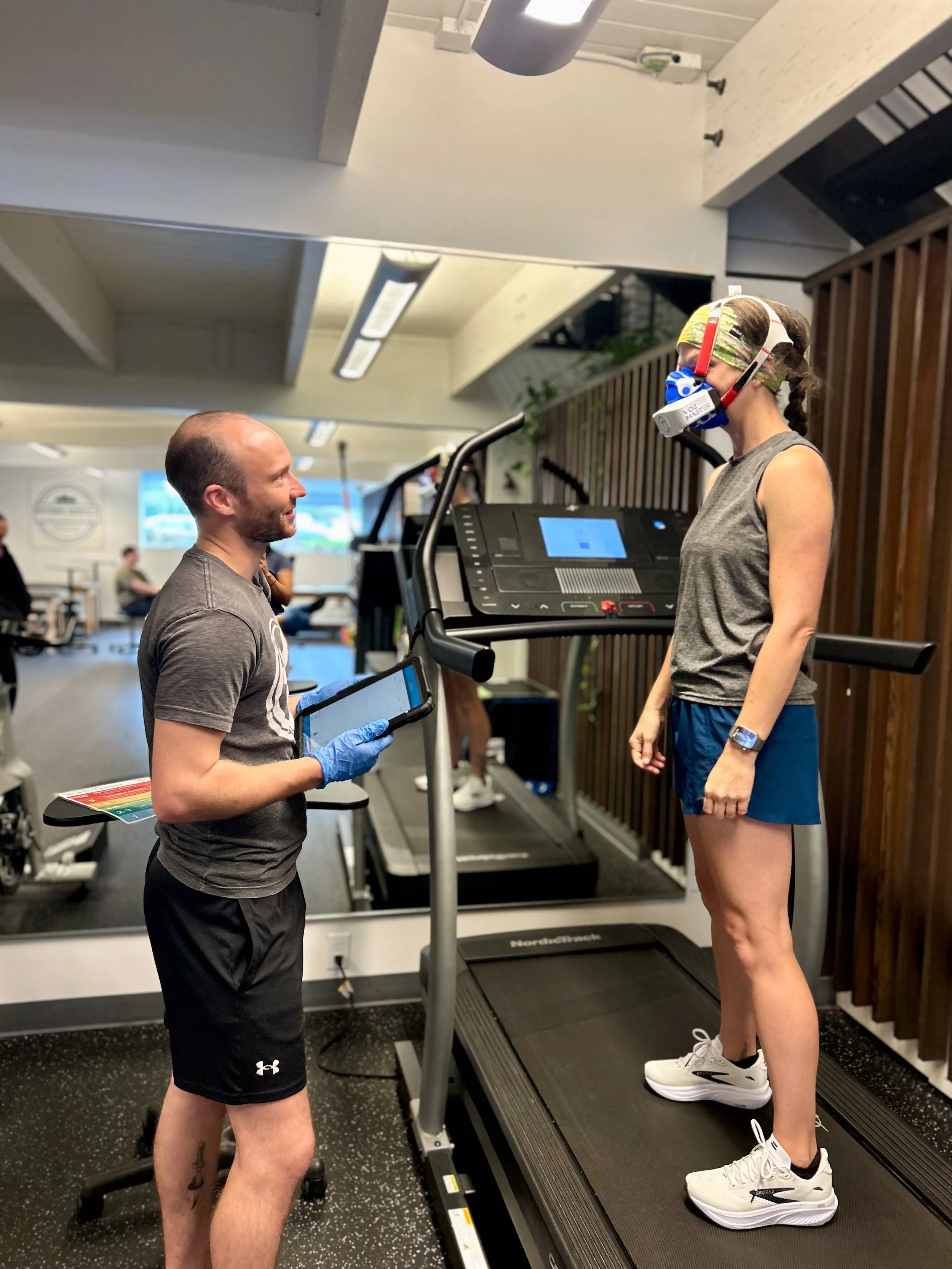
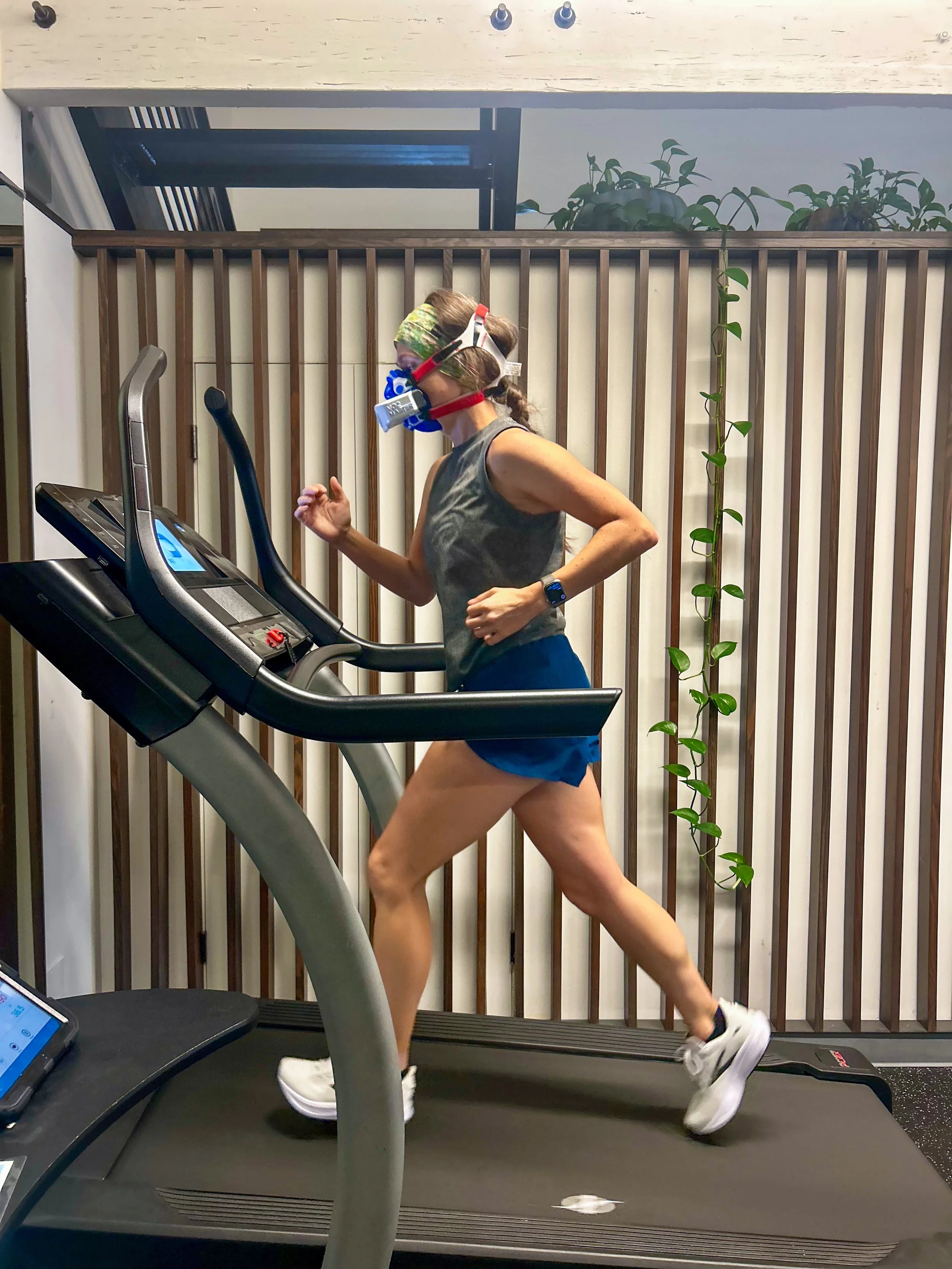
I don’t get my VO₂ max tested because I’m trying to win a fitness test.
I do it because I want to keep playing.
I want to ski, bike, hike, surf, travel, and explore with my wife, kids, and friends—not just today, but 10, 20, and hopefully 30 years from now.
For me, that is what healthspan is really about. It isn't simply how long we live. It is how long we maintain the capacity to keep doing the things and being with the people that make our lives meaningful.
And that idea became personal for me long before I knew the word healthspan.
A Lesson I Didn't Understand Yet
When I was a kid, my grandfather smoked. I remember being told cigarettes were bad for you, so sometimes I would take his cigarettes and hide them. He wasn't particularly happy with me when I did.
Years later, my grandfather had a stroke.
I remember seeing him in the hospital with tubes coming out of his body. I watched a grown man have to learn how to write again, this time with his opposite hand. He had to relearn how to walk and eventually relied on a cane and walker.
He continued to show up. I remember him finding ways to stay involved in my sports and my life, including driving his car to the front of the football field to watch me in high school. But even as a kid, I could see that his ability to physically engage with the world had changed.
I didn't understand cardiovascular disease, exercise physiology, or longevity.
I just knew I wanted to be able to move for as long as possible.
Today, at 51, that desire feels more relevant than ever.
And it is one of the reasons I care so much about VO₂ max.
So, What Exactly Is VO₂ Max?
VO₂ max is a measure of your body's maximum ability to take in, transport, and use oxygen during exercise.
Think about everything that has to work together for that to happen: your lungs bring oxygen in, your heart pumps oxygen-rich blood, your blood vessels deliver it, and your muscles use it to create energy.
VO₂ max gives us a window into how effectively that entire system is working.
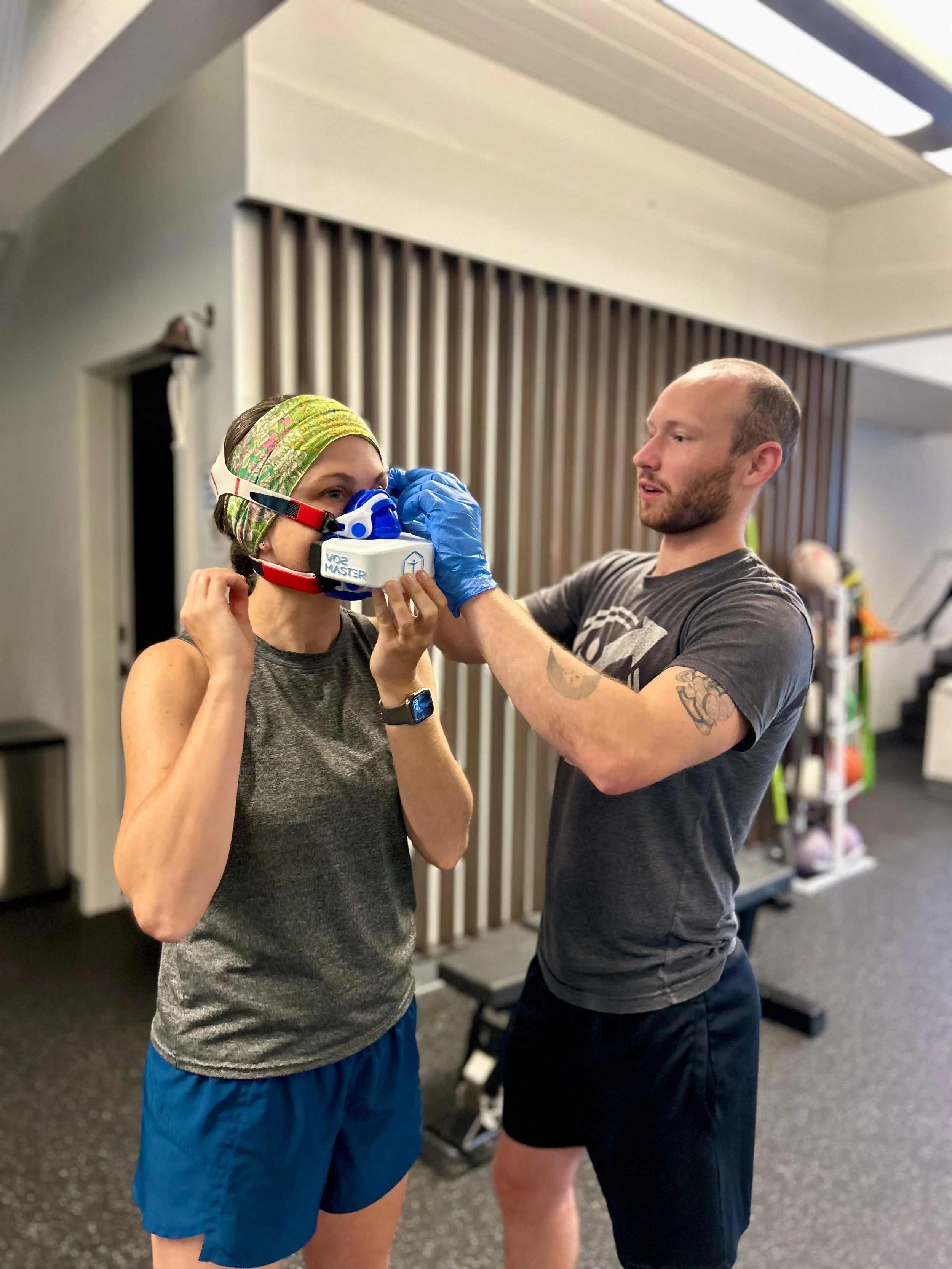
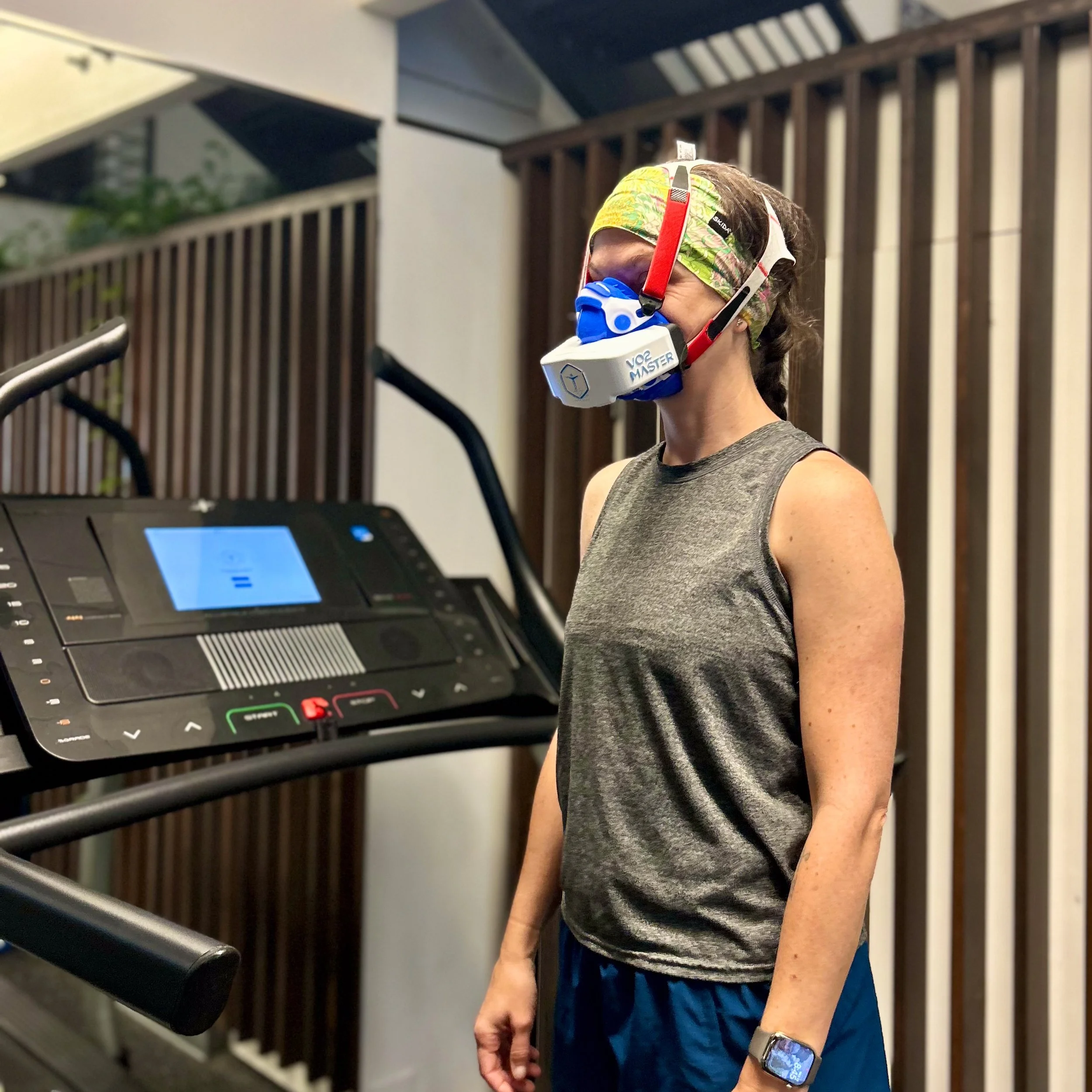
During a VO₂ test, you exercise at progressively increasing intensities while wearing a mask that measures the oxygen you consume and the carbon dioxide you produce. Rather than estimating your fitness from a watch or a formula, we can actually see how your body responds as the workload increases.
And while athletes have used VO₂ testing for decades to optimize performance, its value extends far beyond sport.
Why Does VO₂ Max Matter for Longevity?
This is where the research gets really interesting.
Cardiorespiratory fitness—the broader physiological capacity that VO₂ max helps measure—has consistently been associated with long-term health and lower mortality risk.
A 2024 review examined research representing more than 20.9 million observations across 199 cohort studies. Higher cardiorespiratory fitness was consistently associated with lower risks of all-cause mortality, cardiovascular mortality, heart failure, and several other chronic health outcomes.
Another meta-analysis involving more than 3.8 million observations found that each 1-MET higher level of cardiorespiratory fitness—approximately 3.5 mL/kg/min of oxygen consumption—was associated with about a 14% lower risk of all-cause mortality and a 16% lower risk of cardiovascular mortality.
These are observational associations, not guarantees for any one individual. But the consistency of the relationship is significant enough that the American Heart Association has advocated for cardiorespiratory fitness to be considered a clinical vital sign alongside more familiar measures of health.
Here's the part I find most encouraging:
You don't need an elite VO₂ max to benefit.
Some of the greatest differences in health outcomes are seen when people move out of the lowest levels of cardiorespiratory fitness. In other words, this isn't about becoming an Olympian. Improving from where you are matters.
Is VO₂ Testing Just for Young or Highly Trained Athletes?
Definitely not.
In fact, I would argue that understanding your cardiorespiratory fitness becomes increasingly valuable as you get older.
VO₂ max generally declines with age. But aging doesn't mean we simply accept that decline and stop training. Research in older adults shows that structured exercise can meaningfully improve cardiorespiratory fitness, including in people over 60 and 70 years old.
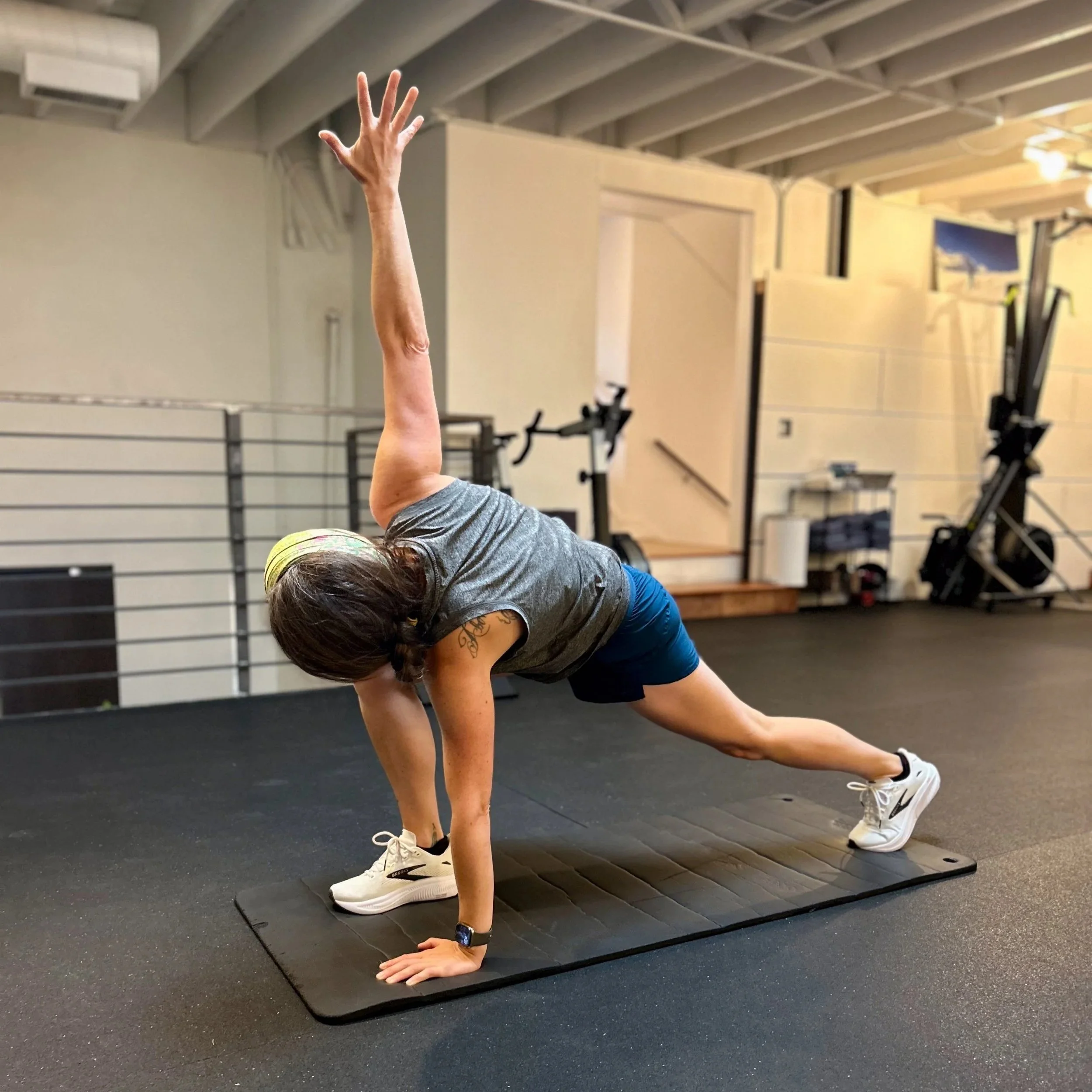
The goal is not to compare your 55-year-old self with a 25-year-old athlete.
The better question is:
Where am I today, and what can I do to improve or preserve my capacity for tomorrow?
That's a very different way to look at fitness.
Who Should Consider a VO₂ Max Test?
VO₂ testing can be valuable whether you're training for your next race or simply training for your life.
It can help:
Someone getting back into exercise establish a meaningful baseline and better understand the intensity at which to train.
An active person understand whether their current workouts are actually developing their aerobic system.
An endurance athlete dial in training zones, thresholds, pacing, and areas where additional training may make a difference.
Someone interested in healthspan and longevity establish and track an objective marker of cardiorespiratory fitness over time.
Someone who feels stuck move beyond generic formulas and understand how their own body responds to different intensities.
And perhaps most importantly, testing creates a starting point.
You can measure. You can train. And you can come back and measure again.
The Number Isn't the Goal
This is important.
I don't want people walking away from a VO₂ test believing their entire health can be summarized by one number.
It can't.
VO₂ max is one important piece of a much larger picture that includes strength, muscle mass, mobility, balance, nutrition, sleep, recovery, relationships, mental well-being, and many other factors.
That's also why offering VO₂ testing at Experience Momentum makes so much sense to us.
We aren't interested in simply putting a mask on someone, generating a number, and sending them home.
The value is what you do with the information.
Your results can help our fitness professionals better individualize your training. If pain or an injury is limiting what you can do, our physical therapists can help address that. Our registered dietitians can support the nutrition and fueling side of the equation. Massage and recovery can help support the training process. And our broader Healthspan work can help connect all of those pieces around what matters most to you.
That is integration.
Because longevity isn't created by optimizing one metric. It's built by understanding the whole person and helping them keep moving toward what they want their life to look like.
What's Your Why?
My VO₂ max matters to me because there are still a lot of mountains I want to climb, trails I want to ride, places I want to explore, and experiences I want to share with the people I love.
I can't control exactly how long I will live.
None of us can.
But I can influence how I show up for the years I have.
I can train my heart. I can build muscle. I can take care of my body. I can measure where I am and make intentional choices about where I want to go.
Maybe VO₂ max isn't really about a number after all.
Maybe it's about maintaining the capacity to keep saying yes to the life you want to live.
For me, that's worth measuring.
Interested in scheduling a VO2 Max test? Inquire with our team to get started.
Sources:
Lang JJ, et al. (2024). “Cardiorespiratory fitness is a strong and consistent predictor of morbidity and mortality among adults.” British Journal of Sports Medicine, 58, 556–566. DOI: 10.1136/bjsports-2023-107849.
Singh B, et al. (2024/2025). “Comparison of objectively measured and estimated cardiorespiratory fitness to predict all-cause and cardiovascular disease mortality in adults.” Journal of Sport and Health Science, 14, 100986. DOI: 10.1016/j.jshs.2024.100986.
Read the full open-access studyRoss R, et al. (2024). “Update to the 2016 American Heart Association cardiorespiratory fitness statement.” Progress in Cardiovascular Diseases, 83, 10–15. DOI: 10.1016/j.pcad.2024.02.003.
View on PubMedRoss R, Blair SN, Arena R, et al. (2016). “Importance of Assessing Cardiorespiratory Fitness in Clinical Practice: A Case for Fitness as a Clinical Vital Sign.” Circulation, 134, e653–e699. DOI: 10.1161/CIR.0000000000000461.
AHA scientific statementKokkinos P, et al. (2022). “Cardiorespiratory Fitness and Mortality Risk Across the Spectra of Age, Race, and Sex.” Journal of the American College of Cardiology, 80.
Read the JACC studyKokkinos P, et al. (2023). “Changes in Cardiorespiratory Fitness and Survival in Patients With or Without Cardiovascular Disease.” Journal of the American College of Cardiology, 81, 1137–1147. DOI: 10.1016/j.jacc.2023.01.027.
View the study on PubMed