
Building the capacity to experience more of life, today and for years to come.
Written by Shanon Tysland | Founder, CEO at Experience Momentum

This December, Kelly and I are training to compete in HYROX together, a fitness event that combines running and functional strength exercises. I competed with a friend last year, but this year feels different.
We're training together. Encouraging each other. Challenging each other. And perhaps most importantly, we're sharing another experience that brings us closer.
At 51, with four kids, a business, and all the moving pieces of life, these moments matter to me.
But here's the thing.
We're not really training for HYROX. We're training for life.
Longevity vs. Healthspan: What's the Difference?
You can't go very far these days without hearing something about longevity.
There are podcasts, books, supplements, wellness protocols, and endless conversations about how to live longer. And don't get me wrong. I think it's fantastic that more people are paying attention to their health.
But sometimes I wonder if we're losing sight of the bigger picture.
Longevity is about how long we live.
Healthspan is about how long we live with good health, function, and the ability to do the things that matter to us.
What good is adding another decade to our lives if we don't have the physical capacity, vitality, or independence to enjoy it?
For me, this is where the conversation gets interesting.
I don't just want to live longer. I want to keep mountain biking with my kids. When the snow starts falling, I want to trade the bikes for skis and spend the day exploring the mountains together.
I want to keep running alongside Kelly, even if she's leaving me behind on the hills.
I want to travel, explore, try new things, and say yes to adventures I haven't even imagined yet.
And I'd love to be doing many of those things in my 60s, 70s, 80s, and beyond.
The goal isn't simply more years. It's more life in those years.
What Does Building Healthspan Actually Look Like?
Here's what I've come to appreciate after more than 27 years as a physical therapist.
Our bodies are incredibly interconnected.
We can't isolate strength from cardiovascular fitness, nutrition from recovery, or mobility from the activities we love.
And while there are countless opinions about how to optimize our health, I believe we need to focus on the fundamentals.
For Kelly and I, that means a few things.

1. Building the Engine
Earlier this year, Kelly and I both completed VO₂ max testing.
VO₂ max measures the maximum amount of oxygen your body can use during intense exercise. It's one of the most useful measures of cardiovascular fitness and is strongly associated with long-term health outcomes.
We wanted to understand where we stood and where we had opportunities to improve. Our HYROX training has given us a great reason to build that cardiovascular capacity. Running, intervals, strength endurance, and some pretty challenging workouts are all part of the mix, but I'm not interested in improving my VO₂ max just to have a better number. I want the engine to climb a mountain, keep up with my family, and have the endurance to experience the things I love.
The number gives us information. What we do with that information is what matters.
2. Strength and Mobility for the Long Run
There was a time when I could get away with doing a little less preparation before an adventure. These days, I'm paying closer attention.
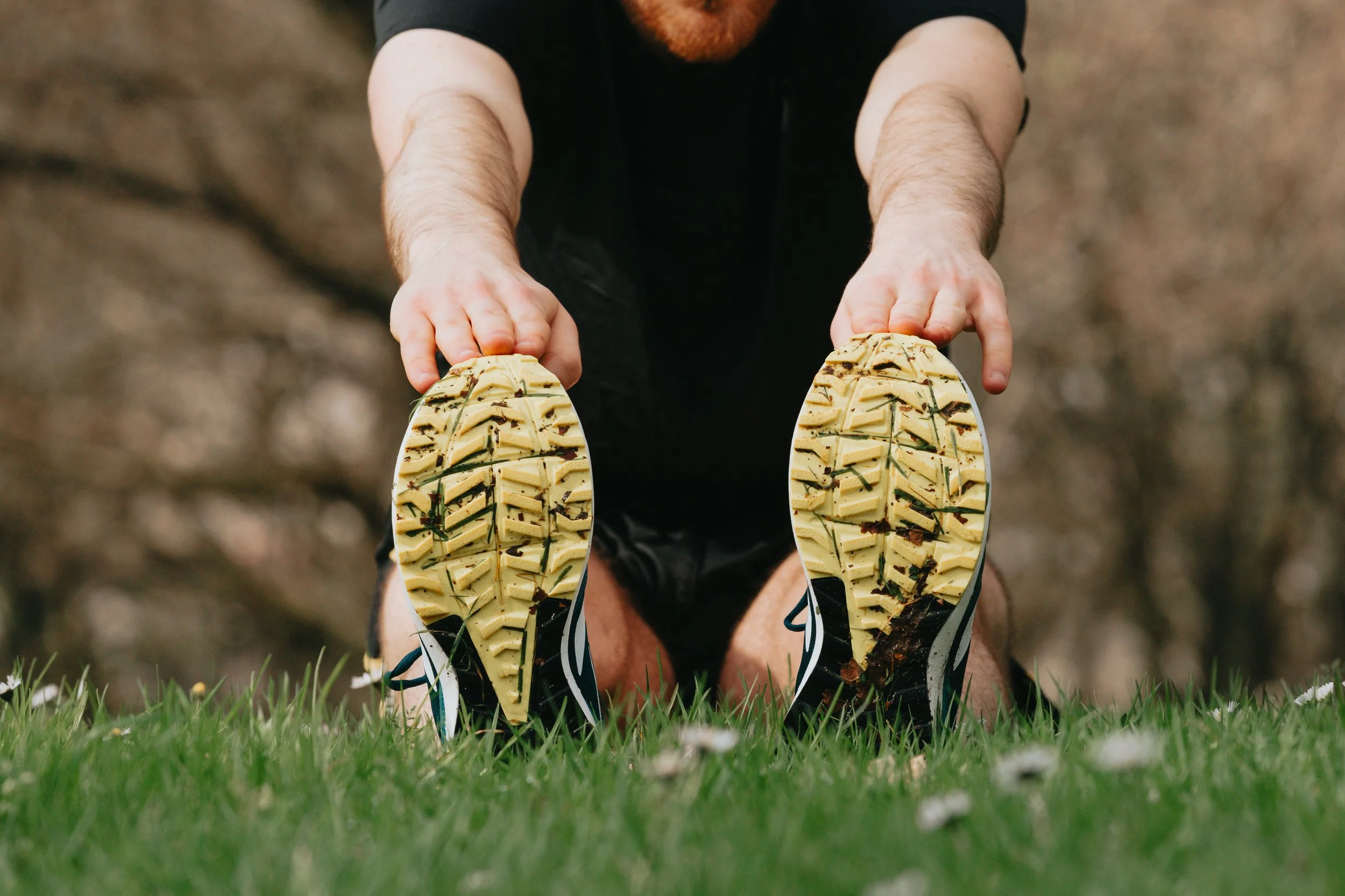
Kelly and I are intentionally working on mobility through our hips, ankles, and thoracic spine. We're building strength and preparing our bodies for the demands we're asking of them.
As a physical therapist, I've seen firsthand what happens when people gradually lose strength, mobility, and physical confidence. Everyday activities can become more challenging. Adventures that once seemed easy can start to feel out of reach.
The good news? There's a lot we can do to build and maintain physical capacity.
Strength training isn't just about lifting heavier weights. Mobility isn't just about stretching. They're about maintaining the ability to move well, handle physical demands, and stay engaged in the activities that make life meaningful.
And no, that doesn't mean we can prevent every injury or avoid the changes that come with aging. It means we can be intentional about how we prepare our bodies for what lies ahead.

3. Nutrition That Supports the Life We Want
With four kids and busy schedules, nutrition can easily become an afterthought.
We're trying to make sure it doesn't.
We're prioritizing home-cooked meals, eating together as a family whenever we can, choosing nutritious whole foods, and limiting highly processed foods where practical. It's certainly not perfect. And it doesn't need to be.
Earlier this year, we both had bloodwork done, providing another piece of information to help guide our nutrition and overall health decisions. But we also recognize that no single biomarker tells the whole story. For us, nutrition is about fueling our activities, supporting recovery, maintaining health, and creating habits our kids can carry forward.
And those meals around the table?
They're about much more than food. They're about connection.

4. Rest, Recovery, and Relationships
This might be one of the most overlooked pieces of the healthspan conversation.
We can train hard, eat well, and track all the metrics in the world, but if we're constantly exhausted and never allowing our bodies to recover, we're missing something important.
Kelly and I are working on prioritizing sleep and being more intentional about recovery. We're also recognizing the value of having someone alongside us in the process. Some days one of us is feeling strong. Other days, not so much. We encourage each other, hold each other accountable, and occasionally give each other a little friendly grief when one of us is struggling up a hill.
Health isn't just about what we're able to accomplish individually. It's also about the relationships and experiences our health allows us to nurture.

Why Healthspan Matters at 30, 40, 50, and Beyond
One misconception I hear is that longevity and healthspan are things we need to start thinking about when we're older.
I couldn't disagree more.
Think about what you want your life to look like.
At 30, maybe it's having the energy to keep up with young kids, build a career, or explore the outdoors.
At 40, maybe it's finding a way to stay strong and active while balancing family, work, and an increasingly full calendar.
At 50, maybe it's navigating the changes of midlife while maintaining the ability to do the things you've always loved—or discovering new passions.
At 70 or 80, maybe it's continuing to travel, hike, play with grandchildren, carry groceries, get up off the floor, and live independently.
Those goals may look different, but they have something in common.
They require capacity.
And the habits we build today help shape the opportunities we have tomorrow.
You don't need to be an athlete. You don't need to train for HYROX or climb mountains.
You just need to ask yourself one question:
What do I want to be able to do 10, 20, or 30 years from now?
Then start building the capacity to make it possible.
Why We Believe in Connected Care at Experience Momentum
When we founded Experience Momentum in 2007, our goal was to help people redefine what's possible in their lives.
Nearly 20 years later, that mission continues to shape how we think about health, and it's one of the reasons we're so passionate about healthspan.
Over the years, we've built a team of physical therapists, fitness coaches, registered dietitians, and massage therapists, along with expanding our capabilities in VO₂ max testing and physical performance assessments.
Each discipline brings something valuable to the table.
Physical therapy helps people address pain, restore function, improve movement, and work toward meaningful physical goals.
Fitness builds strength, cardiovascular capacity, confidence, and resilience.
Nutrition supports health, energy, performance, and recovery.
Massage therapy can support comfort, relaxation, and recovery as part of a broader care plan.
VO₂ max testing and fitness assessments give us objective information about cardiovascular fitness and physical capabilities, helping us better understand where someone is today and how they might improve.
But here's what I believe makes the biggest difference.
These services shouldn't exist in isolation.
If you're working to improve your cardiovascular fitness but struggling with an injury, your physical therapist and fitness coach should be working together.
If you're training hard but not fueling or recovering well, nutrition should be part of the conversation.
If you're returning to activity after years of inactivity, we need to understand your starting point and help you progress appropriately.
Your body doesn't operate in departments.
And we don't believe your healthcare and wellness experience should either.
This is what connected care means to us.
Not simply offering multiple services under one roof, but bringing the right people together around your goals.
As I think about what Kelly and I are doing to prepare for HYROX, I realize we're practicing many of the same principles we've built into our new Healthspan programs at Experience Momentum.
We have something meaningful we're training for. We've established baselines through testing. We're paying attention to strength, endurance, mobility, nutrition, and recovery. And perhaps most importantly, we have accountability and support along the way.
But here's what excites me.
You don't need to be training for HYROX to benefit from this approach.
Introducing Healthspan at Experience Momentum
Launching November 16, 2026
Maybe you want to have more energy to keep up with your kids. Feel stronger and more confident as you navigate midlife. Get back to hiking, skiing, or an activity you've missed. Or simply be proactive about your health rather than waiting until something goes wrong.
Whatever your goal, wouldn't it be great to know where you stand today and have a team helping you build toward what's possible?
That's why we've created Healthspan at Experience Momentum.
We start by understanding you—your goals, your current physical capacity, and where you have opportunities to improve.
Our Healthspan Assessment evaluates key measures of strength, balance, functional movement, and endurance, along with resting heart rate and blood pressure, giving you a clearer picture of where you stand today.
We also offer VO₂ max testing, helping you understand your cardiovascular fitness, discuss your results, and use those insights to guide more intentional training.
And because nutrition plays such an important role in health, our registered dietitians can help you evaluate your eating habits, discuss relevant bloodwork you bring from your labs or healthcare provider, and develop nutrition strategies that support your goals.
But here's what I believe is most important.
Testing is only valuable when we know what to do with the results.
That's where our team comes in.
Rather than leaving you with numbers and recommendations to figure out on your own, we bring together fitness coaches, registered dietitians, health coaches, physical therapists, and massage therapists to help you turn insights into action.
We've created three personalized, six-month Healthspan programs, each offering a different level of professional support and accountability.
1. Basecamp | Build Your Foundation
Monthly guidance and accountability to help you create healthier habits, build strength, and establish a foundation for long-term progress.
2. Ascent | Build Your Momentum
Twice-monthly professional support to help you build consistency, improve physical capacity, and make meaningful progress toward your goals.
3. Expedition | Go All In
Our most comprehensive experience, with weekly engagement with a registered dietitian, personal trainer, and health coach, along with physical therapy and massage therapy.
Each program is built around your needs and aspirations, with a team that can help you make progress over six months and develop habits that extend beyond the program.
The goal isn't simply to improve a test score or a number on a lab report.
It's to build strength, endurance, resilience, and confidence so you can experience more of what matters most to you—today and for years to come.
Because you don't need to have everything figured out to take the first step.
You just need to be curious about what's possible.